Pricing · Sales & marketing · Gong · Nov 2026
Gong pricing (Nov 2026): no public price list — per-user licenses plus a platform fee sized to your number of users, free integrations, and the questions to ask before you get a quote
Gong does not publish prices. Its pricing page says licenses are priced per user, there is a platform fee based on the number of users supported, and integrating your existing tools is free; you get a custom proposal after a team-size form. So the useful work happens before the call: count who really needs a license and which Gong products you want quoted.
What this Gong pricing page covers
This page is for sales leaders, revenue operations managers, and finance teams who have been asked to buy Gong or renew it. It explains how Gong says it prices, what you can control before the quote, and what to get in writing.
Facts come from the Gong pricing page and the Gong home page, read on 10 November 2026. Neither page shows a dollar price, so this page does not give one. Any number you see elsewhere is a past quote for someone else’s team.
Gong records and analyzes sales calls and emails and turns them into deal, coaching, and forecast views. It does not fix a sales process nobody follows, and recorded calls are customer data that need rules.
Ground rules: one owner for the contract, seat list, and recording settings; customers know calls are recorded. For the product itself see the Gong review.
Major features (with how someone uses them)
Examples at a glance: each feature has a concrete example from a real job plus a short Try this you can run this week.
1. How Gong says it prices
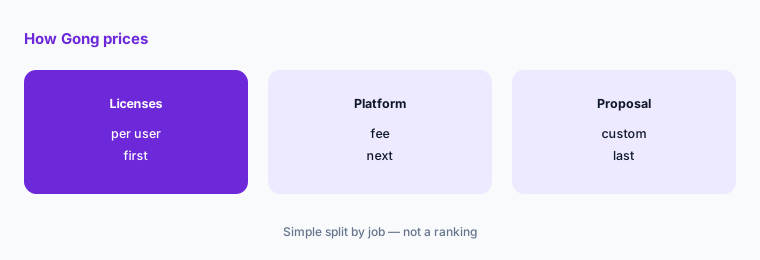
What it is: Gong’s pricing page says its pricing depends on a few factors specific to your team: licenses are priced per user, there is a platform fee based on the number of users supported, and you can integrate your existing tools for free. It then asks for team size in four bands (1 to 50, 51 to 1,000, 1,001 to 9,999, and 10,000 or more) before preparing a proposal (Gong pricing).
Two parts move the total: the per-user price and the platform fee. Because the fee depends on users supported, the seat count you give drives both.
Count before the form:
Before you fill in Gong’s pricing form, write three numbers: how many people would record and review calls every week, how many only need to read summaries or the forecast, and your total sales and success headcount. Bring those to the first call.
2. Decide who needs a license
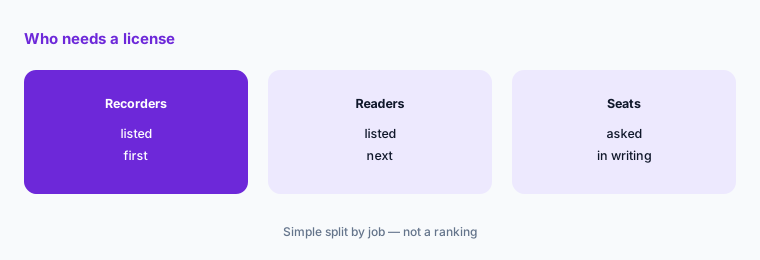
What it is: Gong licenses are priced per user, per its pricing page (Gong pricing). Sellers on recorded calls every day use it differently from a manager who reads the forecast once a week or an executive who opens a summary now and then.
Ask Gong which roles need a full license and which can view shared calls or reports without one. The answer can change your seat count a lot.
Sort your people:
Write each person who would touch Gong and mark them as records calls weekly, reviews calls or forecasts, or only reads summaries. Ask Gong which of those groups need a paid license.
3. Know which products you are being quoted
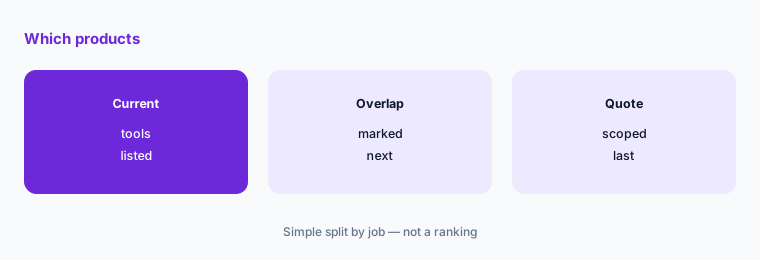
What it is: Gong’s home page lists several products beyond call recording: Gong Engage for sales outreach, Gong Forecast for pipeline forecasting, Gong Enable for coaching and enablement, Gong Agents that automate follow-ups and pipeline edits, and the Gong Revenue Graph that connects interaction data (Gong).
A proposal can include some or all of these. If you already pay for an outreach tool or a forecasting tool, decide whether you are replacing it before the quote arrives.
Map the overlap:
List the sales tools you pay for today next to Gong Engage, Forecast, and Enable. For each overlap, decide replace, keep, or test, and ask Gong to quote only what you will use.
4. Integrations are free; ask about everything else
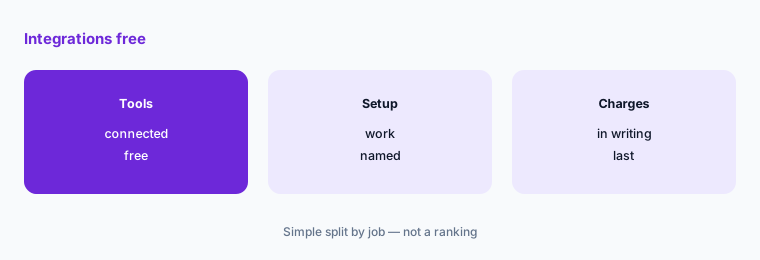
What it is: The pricing page says you can integrate your existing tools for free (Gong pricing). It does not list onboarding, training, or support tiers, so those are questions for the proposal.
Free integrations still take someone’s time to connect your CRM, calendar, and phone system. Ask who does that work and whether any setup help is charged.
List the one-time costs:
Ask Gong to put any one-time setup, onboarding, or training charges on the proposal as separate lines. If the answer is none, get that in writing too.
5. Prove use before you scale
What it is: Gong points to customer stories on its home page, including one from Anthropic about time saved for sellers (Gong). Those are vendor examples, not a forecast for your team.
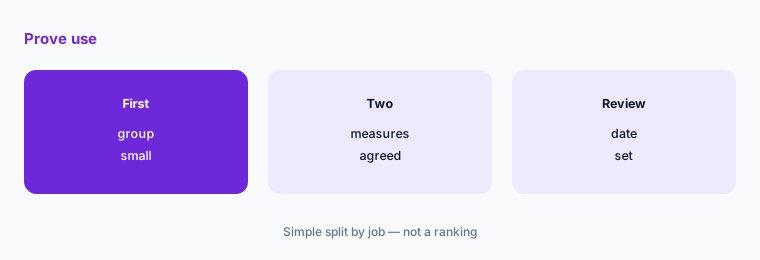
The useful test is your own: do reps open the call reviews, and do managers coach from them? Agree how you will measure that in the first 90 days before buying for everyone.
Set a usage check:
Pick two measures you can see in the product, such as calls reviewed per manager per week and reps who opened their own calls. Write the target and the date you will check before adding more seats.
6. Settle term and renewal before signing
What it is: Gong’s pricing page offers a custom proposal rather than a fixed plan (Gong pricing), so contract length, payment timing, and price changes at renewal are all part of the negotiation.
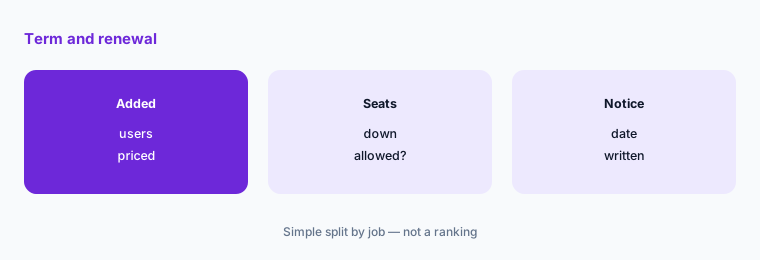
Ask what happens to the per-user price and the platform fee when you add or remove users mid-term, and how much notice you need to give before renewal.
Write the renewal questions:
Before signing, get written answers to four questions: the price per added user, whether seats can go down at renewal, the notice date to cancel or change, and any limit on the renewal increase.
Pricing context (November 2026)
Gong’s pricing page (read 10 Nov 2026) shows no dollar prices. It says licenses are priced per user, a platform fee depends on the number of users supported, and integrating your existing tools is free.
To get a price you fill in a team-size form (1 to 50, 51 to 1,000, 1,001 to 9,999, or 10,000 or more users) and Gong prepares a custom proposal.
Products named on gong.io: Gong Engage, Gong Forecast, Gong Enable, Gong Agents, Gong Revenue Graph, and Gong Collective integrations and services. Ask which are in your quote.
Uncertainty: Gong did not publish prices on 10 November 2026, so this page gives none. Figures posted on forums or review sites are other teams’ quotes and may be out of date. Your price depends on users, products, and contract terms; get every number in writing.
When it’s useful (honest take)
Useful when you know how many people will record and review calls weekly, which Gong products you want, and someone owns the seat list. Those answers shape the quote more than anything else.
A poor fit if calls are rarely reviewed or the team already pays for overlapping outreach and forecasting tools it will keep. Remove licenses nobody used last quarter before renewal.
Paying for Gong pricing and a few other AI tools? The $9 AI toolkit spreadsheet lists every AI subscription you have, what each one costs, and how fast it pays for itself, so you can see which ones are worth the money.
Want someone to do it for you? AI toolkit audit — $19
Related options (educational)
| Need | Better home | Why |
|---|---|---|
| Gong on its own | Gong review | See that review |
| Call analysis from ZoomInfo | Chorus review | See that review |
| Sales outreach | Outreach review | See that review |
| Sales engagement | Salesloft review | See that review |
FAQ
How much does Gong cost?
Gong did not publish a price on 10 November 2026. Its pricing page says licenses are priced per user, a platform fee depends on the number of users supported, and you get a custom proposal after a team-size form.
Does Gong charge a platform fee?
Yes. Gong’s pricing page says there is a platform fee based on the number of users supported, in addition to per-user licenses.
Do Gong integrations cost extra?
Gong’s pricing page says you can integrate your existing tools for free. Ask whether any setup or onboarding help is charged.
Is Gong priced per user?
Yes. Gong’s pricing page says licenses are priced per user. Ask which roles need a full license and which can view shared calls or reports without one.
Who should own Gong at a company?
One named person, usually in revenue operations, who manages the seat list, recording settings, and renewal date, and who removes licenses nobody uses.
Optional next step (if seats overlap)
If your team pays for Gong, an outreach tool, and a meeting note taker, list where they overlap before adding licenses. Map the overlap with the $19 AI toolkit audit or the $9 AI toolkit spreadsheet. Email Audit $19 or Toolkit spreadsheet $9.
Checkout is live via Stripe. After you pay, we email delivery (spreadsheet) or intake next steps (audit).