Compare · Ops & automation · Datadog vs PagerDuty · Oct 2026
Datadog Bits vs PagerDuty AI for incident ops (Oct 2026): observability vs response
Incident jobs split in two. Datadog Bits helps ask questions of telemetry you already have. PagerDuty AI helps triage and paging. Humans still own suppress and page. Live reviews: Datadog Bits and PagerDuty AI.
What this page covers
This page maps incident jobs to a home: query and dashboard investigation in Datadog, page and triage in PagerDuty, or both when one feeds the other. It is not a reason to drop the responder. September PagerDuty changes are on the dated notes page. We do not invent prices for either product.

Major features (with how someone uses them)
Examples at a glance: each feature has a concrete ops example plus a short Try this.
1. Six incident jobs, one home each (primary)
What it is: Write six jobs your on-call actually does. Examples: read a dashboard, draft a query, group noisy alerts, decide to page, draft a status note, start a post-incident review. Put each in Datadog, PagerDuty, or both, with one sentence.
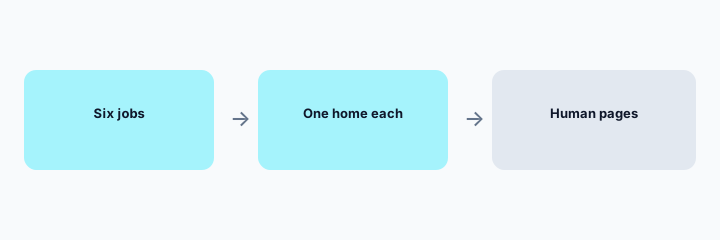
Primary workflow from the Saturday brief:
Map 6 incident jobs to Datadog, PagerDuty, or both — one sentence why each home.
2. What Bits is for
What it is: Datadog Bits is the assist for investigation questions when Datadog is the observability record: query drafts and narrative from dashboards you already have. Humans own alerts. A confident sentence is not a monitor.
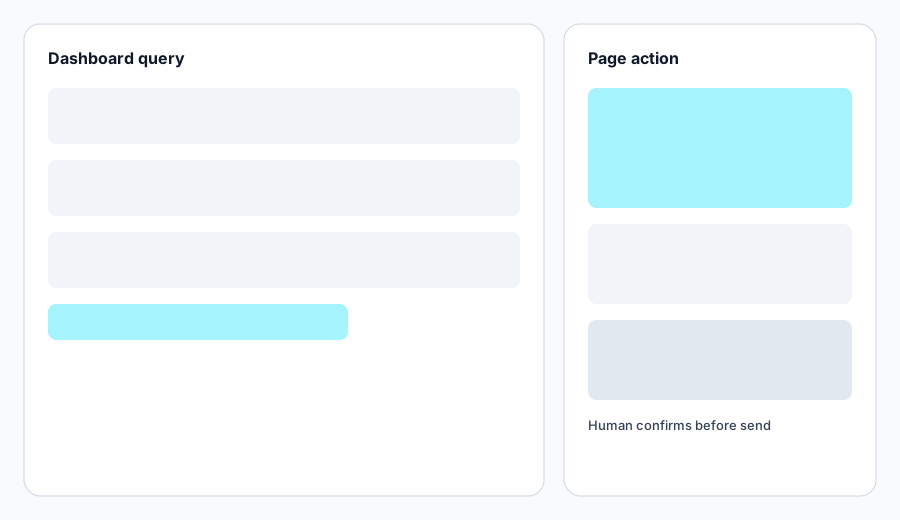
Query check:
From a sanitized dashboard outline: draft 3 investigation questions Bits may answer vs stay owner-owned.
3. What PagerDuty AI is for
What it is: PagerDuty AI is the assist for noise, triage drafts, and (where your plan includes it) SRE Agent suggestions. Responders confirm before suppress or page. See September 2026 notes for what the release notes actually added. Do not treat a recommendation as an automatic suppress.
Page check:
From 10 sanitized alert titles: propose grouping or suppress candidates and 3 that must always page a human.
4. When the honest answer is both
What it is: A healthy setup often uses both: Datadog detects, PagerDuty pages. AI does not collapse them into one seat. Status drafts can start from either, but the customer-facing note still needs a person and the incident record.
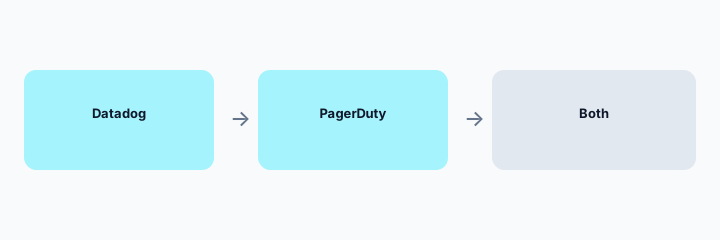
Overlap check:
If two AI seats would draft the same status note, pick the system that holds the incident and turn the duplicate off. That is the overlap case for the optional toolkit sheet below.
Pricing context (October 2026)
We do not invent Datadog or PagerDuty prices. Bits packaging and PagerDuty Advance or AIOps packaging are plan-specific. Read the Bits review, the PagerDuty AI review, and the vendors’ pricing pages. October 2026 is when this compare was written.
Uncertainty: AIOps event tiers and assist add-ons move. Confirm in your account before you treat a recommendation feature as included.
When it is useful (honest take)
Useful when responders are arguing about which AI should own a job. Less useful if you wanted one product to replace on-call. Neither should suppress or page alone.
Still choosing between Datadog Bits and PagerDuty AI? The $19 AI toolkit audit gives you a written plan for which tools to keep using and which to drop across your whole AI stack, including this pair.
Prefer to do it yourself? Spreadsheet — $9
Related options (educational)
| Need | Better home | Why |
|---|---|---|
| Queries and dashboards | Datadog Bits | Investigation drafts; humans own alerts |
| Pages, triage, suppress | PagerDuty AI | Human confirms before suppress or page |
| What changed in PagerDuty in Sep 2026 | Sep 2026 notes | Dated release notes, not the product review |
| Runbook and postmortem prose | Claude for incident ops | Drafts from a sanitized timeline, not a page |
FAQ
Bits or PagerDuty AI?
Bits for telemetry questions. PagerDuty for page and triage. Many teams need both products and still only one AI draft per job.
Can AI suppress alerts?
Not on its own. A human confirms. See the PagerDuty review.
Are both reviews live?
Yes. Datadog Bits and PagerDuty AI.
What about price?
Not invented here. Check the vendors.
Optional next step (if seats overlap)
If several AI seats would cover the same analytics, support, or incident jobs, optional help mapping overlap: $19 AI toolkit audit or $9 AI toolkit spreadsheet. Email Audit $19 or Toolkit spreadsheet $9.
Checkout is live via Stripe. After you pay, we email delivery (spreadsheet) or intake next steps (audit).